COMPONENT MANAGEMENT SOLUTIONS THAT KEEP UP WITH INNOVATION
ABOUT NRC
NRC is a time-tested supplier of a broad range of electronic components, bringing a legacy of excellence to next-gen hardware supply chain and engineering challenges.
Suppliers
See all of our lines
POWERING
CRITICAL INDUSTRIES
RETAIL
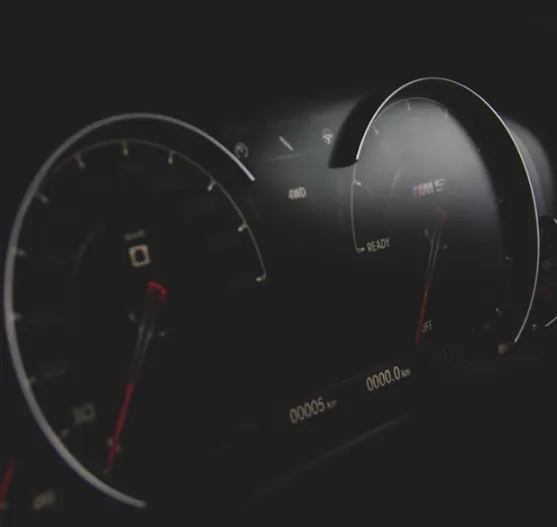
AUTOMOTIVE AND TRANSPORTATION
AEROSPACE AND DEFENSE
MEDICAL
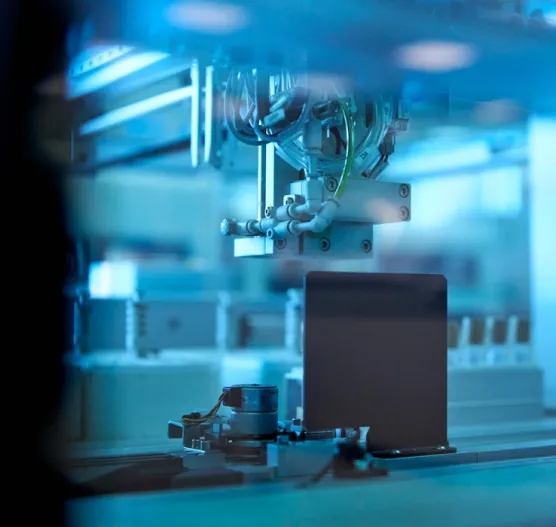
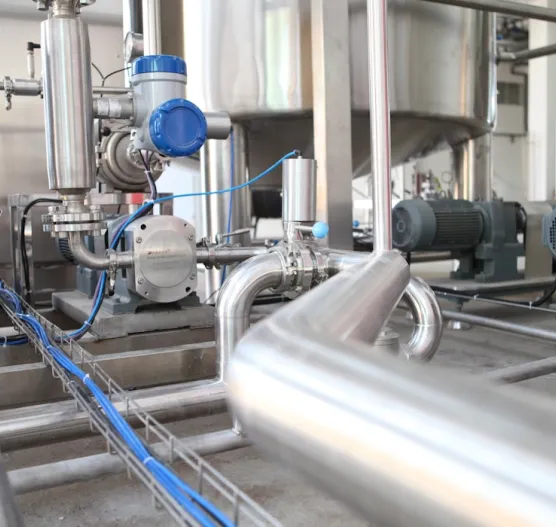
INDUSTRIAL AND COMMERCIAL
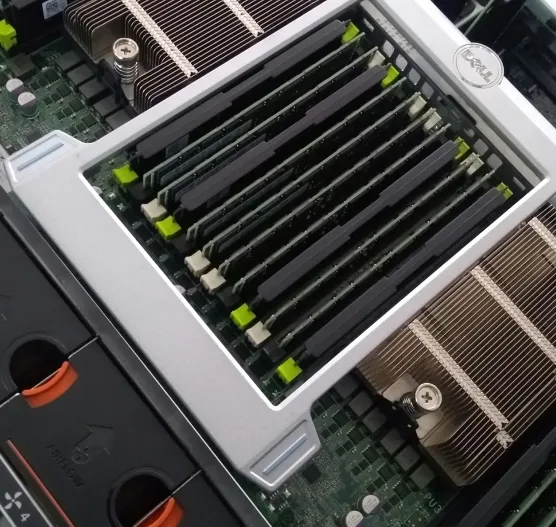
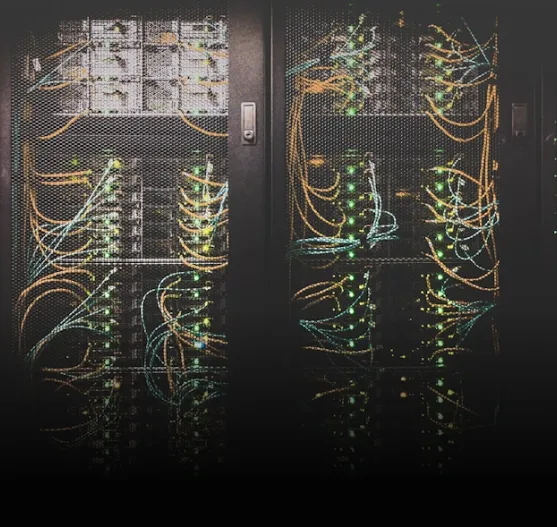
DATA CENTER AND ENTERPRISE SOLUTIONS
SECURITY
Working with our manufacturing partners, NRC supplies over 30,000 unique devices, reliably serving all electronic component needs.
LIGHTING SOLUTIONS
SEMICONDUCTORS
INTERCONNECT, PASSIVE AND ELECTROMECHANICAL
SUPPORTING SERVICES AND PARTNERSHIPS
We go beyond distribution and work with customers and suppliers to add value to their business – bringing our industry and investing expertise to each relationship.
INVENTORY MANAGEMENT AND FINANCING
CUSTOMER SERVICE AND DEMAND CREATION
NETWORK PARTNERSHIPS
Build with NRC
From finding the right off-the-shelf component for your first prototype, to optimizing costs on existing full-scale commercial production, we are here to help.
This website uses cookies to enhance the user experience. If you continue browsing, we consider that you accept their use.